

Browsing a large online casino library can be harder than choosing a game. A useful approach is to begin with the type of experience you want, then narrow the selection by pace, rules, features and available information. The betya login is described in the supplied material as the shared entry point for casino and sportsbook access, but the more important question for game discovery is how to use the lobby intelligently. This guide explains the main categories, how to compare them and where short demonstrations can help without creating unrealistic expectations.
Start with the kind of play you actually want
A broad lobby becomes easier to navigate when you first identify the experience you are seeking. Video slots suit players who want automated rounds, visual themes and varied bonus mechanics. Classic slots are generally simpler, often using familiar reel layouts and fewer layers of features. Table games provide a more rule-driven experience, while live-dealer titles add streamed interaction and a human presenter. Instant games and crash-style formats usually focus on quick decisions rather than extended sessions.
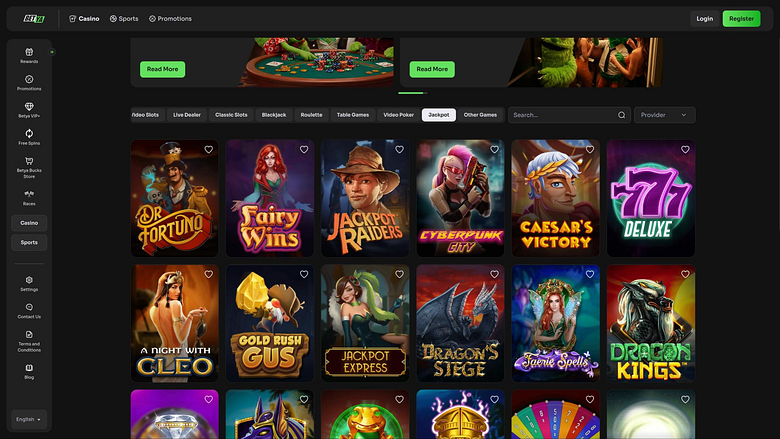
The available categories are reported to include video slots, classic slots, progressive jackpots, blackjack, roulette, baccarat, craps, video poker, bingo, keno, scratch cards, crash games, live tables and game-show formats. These should not be treated as interchangeable. A roulette session is shaped by individual bets and table rules; a slot session is shaped by random spins and its specific pay structure. Choosing by category first helps prevent a popular title from becoming an automatic choice simply because it appears prominently.
Navigation labels can also help turn browsing into a manageable process. Sections such as New, Top 50, Favorites, Recents, Live Dealer, Jackpot, Originals and individual game categories suggest different ways to filter attention. “New” may suit someone who wants fresh releases, while “Recents” is more useful for returning to familiar titles. A personal shortlist of two or three categories is usually more practical than scrolling through thousands of entries without a clear reason.
How do slots differ from table games?
Slots are usually the easiest place to begin when the goal is visual variety. The reported catalogue includes titles with cascading reels, Hold & Win mechanics, bonus buys and themed collections. Named examples include Gold Nugget Rush 2, Great Ghosts, Book of Champions: World Glory, Big Bass Raceday Repeat, Coin Strike 2: Hold and Win and Zeus Hold and Win. These examples illustrate different themes and feature styles, but a title’s theme does not indicate whether it will suit a particular budget or playing pace.
Table games require a different kind of selection. Blackjack, roulette, baccarat and craps each have distinct rules, betting options and decision patterns. Video poker adds a card-based format where the pay table and hand decisions matter. Live tables combine these games with real-time video, dealer chat and streamed presentation. That can feel more social than an automated game, but it may also involve a slower rhythm and different minimum-stake conditions, so the individual table information should be checked before playing.
Progressive jackpots deserve separate attention because their appeal comes from a potentially changing prize pool rather than from ordinary feature design. Jackpot titles can have special rules, contribution structures or qualifying conditions. Likewise, bonus buys may provide quicker access to a feature but can change the cost and pace of a session. Treat each mechanic as a reason to inspect the title’s rules, not as evidence that the game offers better value or more predictable results.
Use demos and RTP details without overreading them

Many random-number-generator games are reported to offer demo play and title-specific return-to-player information. A demo can be useful for learning the controls, seeing how paylines or symbols work and deciding whether the presentation is comfortable on a phone or computer. It can also reveal whether a game feels too fast, visually busy or complicated before real money is involved. These are practical discovery benefits, especially when the library contains unfamiliar studios and mechanics.
However, a short demonstration cannot establish how often a feature will appear or what a real-money session will produce. RTP is a long-run statistical measure, not a promise for an individual player or a short visit. Volatility is also important: two games can show similar RTP figures while producing very different patterns of small wins, larger wins and losing stretches. If those details are displayed, compare them alongside the rules rather than relying on a title’s artwork or advertised feature.
For Canadian players who want broader information about gambling and its effects, the problem gambling information from CAMH offers an independent health perspective. It is not a source for casino-specific game rules, RTP figures or availability. Its value is helping readers keep game discovery in context: entertainment should remain separate from expectations about income, and an attractive feature should not be mistaken for a reason to increase spending.
Compare providers when the catalogue feels too large
The reported library includes more than 30 studios and over 5,000 titles, with names such as Pragmatic Play, Evolution, Play’n GO, Yggdrasil, Betsoft, BGaming, Playson, Quickspin, Relax Gaming, Habanero, Spinomenal and Vivo Gaming. Provider names can be useful as a secondary filter. If you enjoy a particular visual style or familiar control layout, browsing that studio’s other releases may reduce the search considerably.
Provider comparison should still be based on the individual title. One studio may supply both simple classic slots and feature-heavy video slots, while a live-dealer provider may offer several versions of the same table game with different limits or presentation. A familiar logo does not confirm that every game has identical rules, RTP, volatility or availability. Open the game information panel and check the pay table, rules, stake range and any displayed statistical details.
Original or in-house categories can be worth exploring when you want a shorter list of instant or RNG-style games. The reported selection includes Crash, Mines, Diamonds, Roulette, Blackjack and Baccarat formats under an Originals label. These games may look more minimal than themed slots, but simplicity does not remove randomness or financial risk. Treat them as another category to compare, not as a shortcut to better results. If a game’s instructions are unclear, leave it until the information is easy to understand.
Build a short list before choosing a title
A practical discovery process can be completed in a few deliberate steps. First, choose a broad category such as slots, live dealer, table games or instant games. Next, select a pace: slower and rule-focused, quick and automated, or interactive and streamed. Then open several candidates and compare their rules, displayed RTP information, volatility description where available, stake range and feature conditions. This approach gives each title a reason for being on the shortlist.
- For a simple starting point: compare classic slots or straightforward roulette and blackjack rules.
- For feature variety: inspect video slots with clear explanations of cascades, free rounds or Hold & Win mechanics.
- For interaction: review live blackjack, roulette or baccarat tables and their individual conditions.
- For short demonstrations: try eligible RNG games in demo mode to learn controls, not to forecast outcomes.
Before switching from browsing to real-money play, decide what makes a title unsuitable. A stake range outside your planned amount, unclear rules, complicated bonus conditions or a pace that encourages rushed decisions are all valid reasons to move on. If promotional play is involved, read the offer’s qualifying games and wagering terms separately from the game’s own rules. A game can be interesting without being appropriate for every promotion or session.
Finally, remember that discovery tools are designed to help you choose, not to improve random outcomes. Favourites and recent-game lists can make navigation easier, while category filters can reduce distraction. They should not encourage chasing a previous result or returning because a game “owes” a win. Keep the choice based on rules, entertainment value and a predetermined spending limit, and stop browsing if the process itself begins to feel pressured.
Game discovery questions readers often ask
Can a demo show whether a game is profitable?
No. A demo can explain controls, features and presentation, but a short sample cannot verify long-term RTP or predict future results. Random outcomes remain random. Use demonstration mode to decide whether you understand and enjoy a title, then assess any real-money decision separately using its rules and your own limits.
Is a live-dealer game better than an RNG game?
Neither format is automatically better. Live-dealer games add streamed presentation, a dealer and sometimes chat, while RNG games usually offer faster, automated rounds. The suitable choice depends on your preferred pace, rules, stake range and available information. Compare the individual table or game rather than assuming the format determines value.
What should I check before choosing a slot?
Review the pay table, displayed RTP, volatility information, stake range and feature rules. Check whether bonus buys or special rounds have separate conditions, and use demo mode only to learn the mechanics. If the game is too fast, confusing or outside your planned budget, choose another title instead.